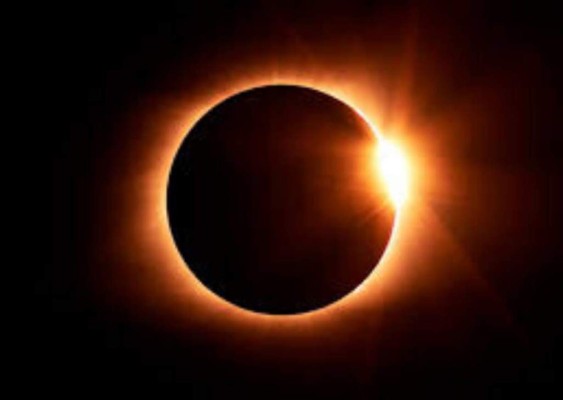
Interesantes datos que debe saber sobre el eclipse 'anillo de fuego'
-
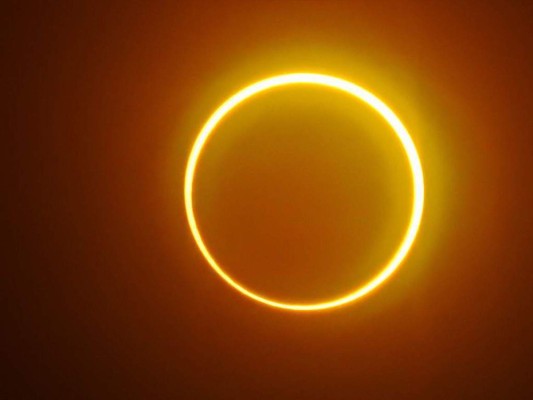
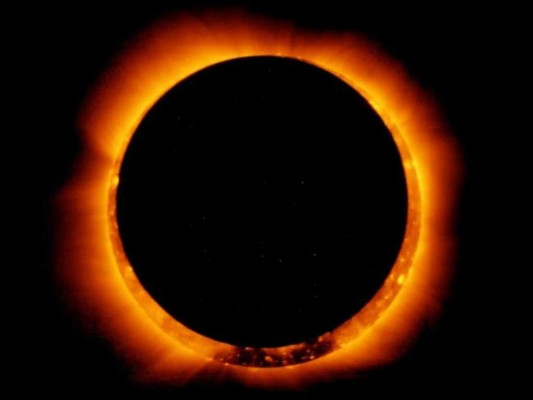
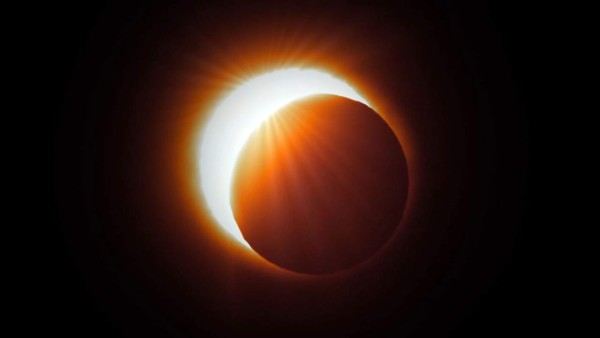
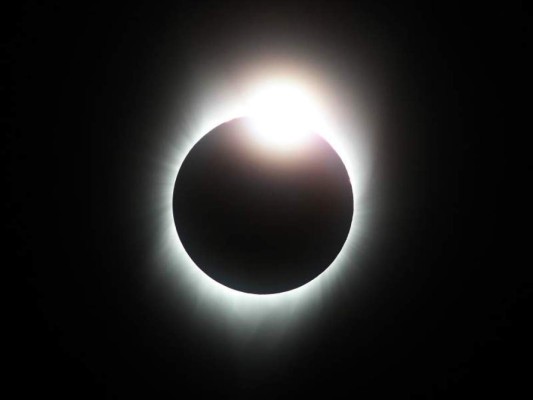
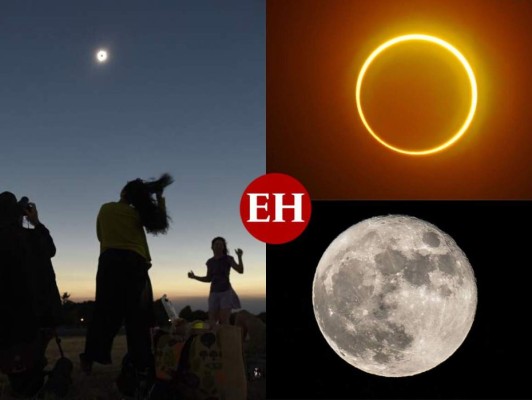 ¡Saquen sus cámaras pero protejan sus ojos! Desde África hasta China, pasando por India, una pequeña parte del mundo tendrá el privilegio de presenciar el eclipse solar excepcional denominado 'anillo de fuego'. 20/06/2020 - 00:001 / 14
 -
 The moon is seen during a lunar eclipse from the observation deck of Roppongi Hills in Tokyo on November 19, 2021. (Photo by Philip FONG / AFP) 20/06/2020 - 00:002 / 14
 -
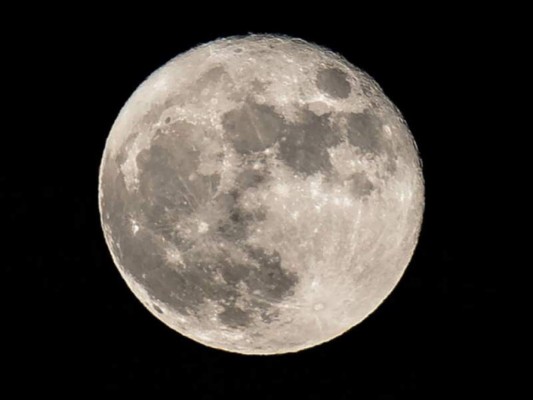 The moon is seen during a lunar eclipse behind the One World Trade Center in New York early on November 19, 2021. (Photo by Yuki IWAMURA / AFP) 20/06/2020 - 00:003 / 14
 -
 A partial lunar eclipse is seen from the Sijiaoku lookout in New Taipei City on November 19, 2021. (Photo by Sam Yeh / AFP) 20/06/2020 - 00:004 / 14
 -
 The moon, with a partial lunar eclipse, is seen behind the Statue of Freedom, on Capitol Hill in Washington, DC early on November 19, 2021. - The longest partial lunar eclipse in nearly 600 years, which will bathe the Moon in red, was visible for a big slice of humanity. The celestial show will see the lunar disc almost completely cast in shadow as it moves behind the Earth, reddening 99 percent of its face. (Photo by ANDREW CABALLERO-REYNOLDS / AFP) 20/06/2020 - 00:005 / 14
 -
 The moon is seen during a lunar eclipse behind the One World Trade Center in New York early on November 19, 2021. (Photo by Yuki IWAMURA / AFP) 20/06/2020 - 00:006 / 14
 -
 The moon is seen during a partial lunar eclipse in Asuncion, on November 19, 2021. (Photo by NORBERTO DUARTE / AFP) 20/06/2020 - 00:007 / 14
 -
 The moon is seen during a partial lunar eclipse in Asuncion, on November 19, 2021. (Photo by NORBERTO DUARTE / AFP) 20/06/2020 - 00:008 / 14
 -
 The moon is seen during a lunar eclipse next to the One World Trade Center in New York early on November 19, 2021. (Photo by Yuki IWAMURA / AFP) 20/06/2020 - 00:009 / 14
 -
 The moon, with a partial lunar eclipse, is seen behind the Statue of Freedom, on Capitol Hill in Washington, DC early on November 19, 2021. - The longest partial lunar eclipse in nearly 600 years, which will bathe the Moon in red, was visible for a big slice of humanity. The celestial show will see the lunar disc almost completely cast in shadow as it moves behind the Earth, reddening 99 percent of its face. (Photo by ANDREW CABALLERO-REYNOLDS / AFP) 20/06/2020 - 00:0010 / 14
 -
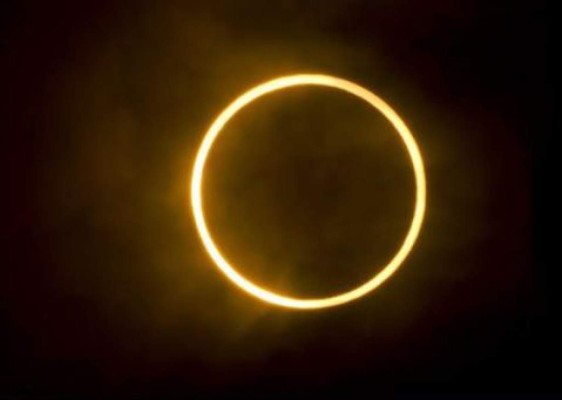
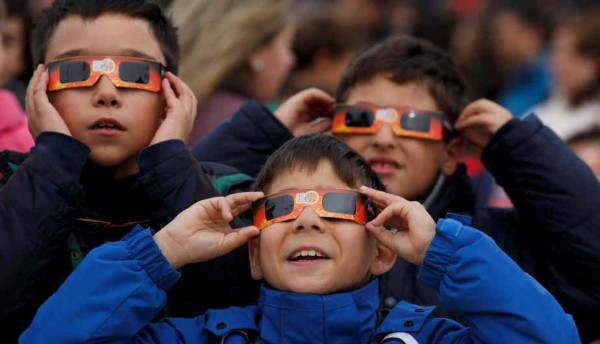
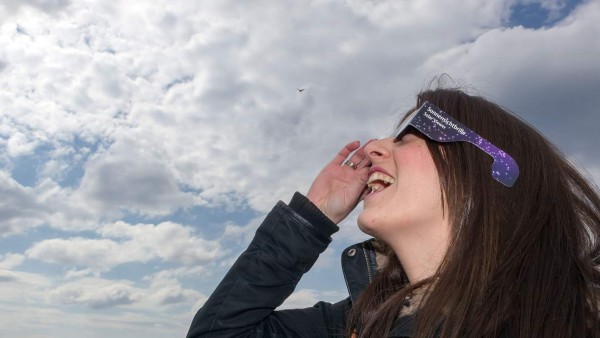
Pese a la baja luminosidad, no hay que mirar al Sol sin protección especial para los ojos. Los lentes de sol no bastan, ya que no filtran la radiación ultravioleta, alerta el especialista. 20/06/2020 - 00:0011 / 14 -
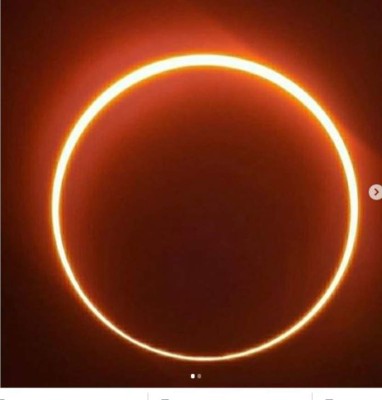 'Es tan peligroso como mirarlo en un día normal. El sol es tan luminoso que aunque solo quede una pequeña parte iluminada, puede dañar los ojos', previene.
Los más curiosos tendrán que dotarse de lentes especiales para eclipses, aunque también sirven las protecciones homologadas que usan los soldadores o utilizar formas de observación de astrónomos aficionados. 20/06/2020 - 00:0012 / 14 -
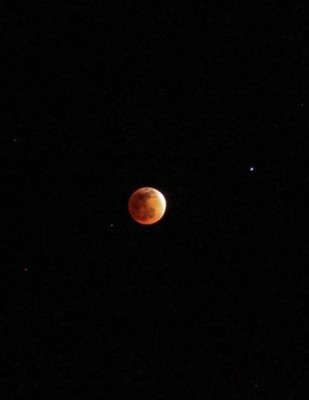 En el pasado, los eclipses tenían interés científico ya que permitieron estudiar, por ejemplo, la corona solar o comprobar la teoría de la relatividad, como fue el caso en los años 1920. Pero actualmente, el interés es sobre todo estético.
20/06/2020 - 00:0013 / 14 -
 El próximo eclipse anular está previsto el 14 de diciembre. 20/06/2020 - 00:0014 / 14


